Why are SB 326 Home Owners Deck and Balcony Inspections Crucial?
Why SB 326 Inspections Matter
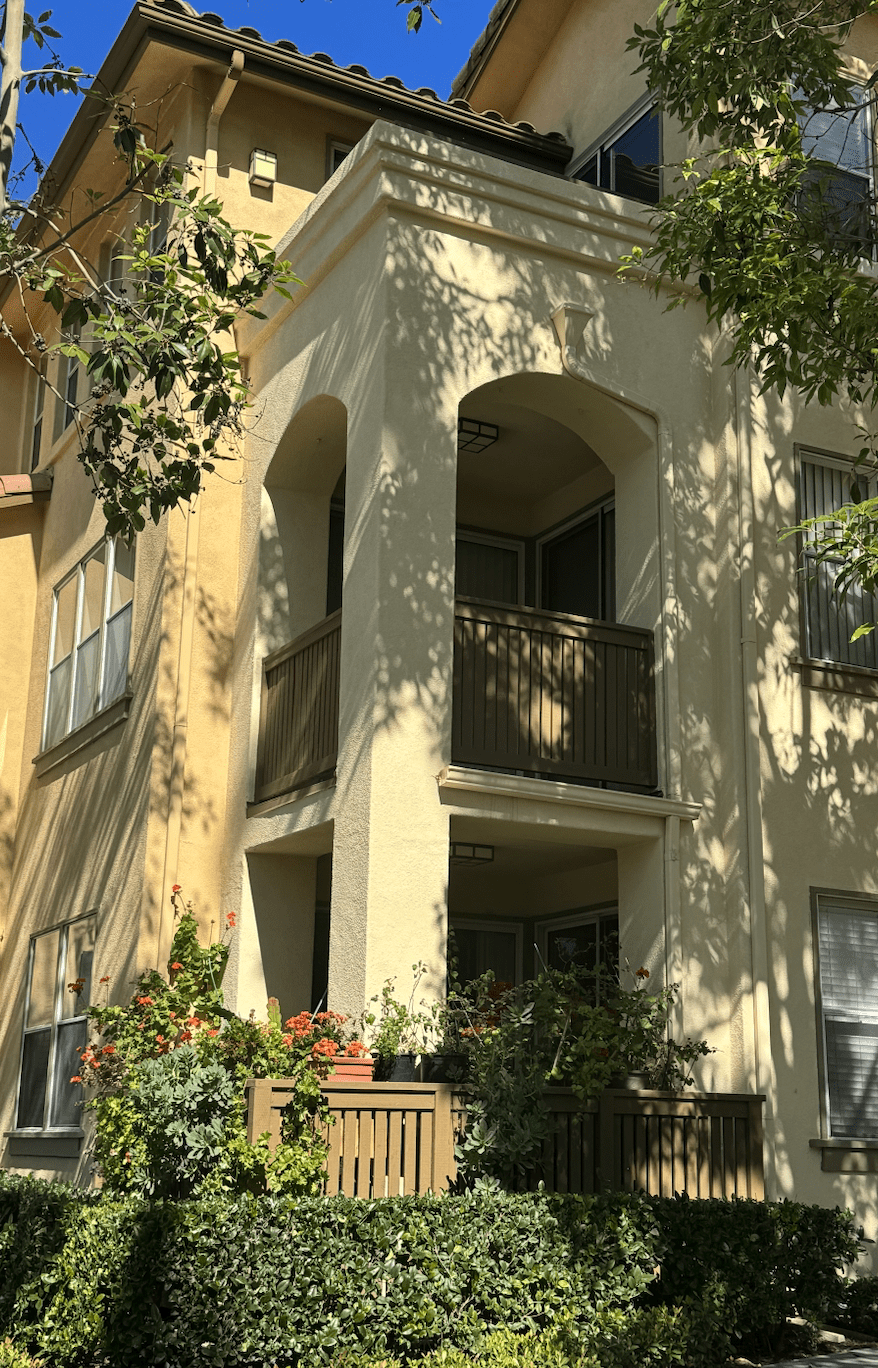
SB 326 homeowners’ inspections are crucial because they serve as a proactive safety measure. They identify and address potential hazards in exterior elevated elements such as balconies, decks, stairways, and walkways. These structures are vital to the safety and well-being of residents. These inspections allow homeowners’ associations (HOAs) to detect structural issues early. This prevents costly repairs and, more importantly, helps avoid accidents or injuries that could occur due to deteriorating or unsafe conditions.
Regular, thorough inspections keep buildings compliant with state regulations. As a result, HOAs fulfill legal obligations while prioritizing the safety of their communities. Beyond just meeting compliance standards, these inspections are an investment in the long-term health of the property. They preserve the structural integrity of the building. In turn, this helps maintain property values and prevents liability risks associated with accidents caused by neglected maintenance.
Furthermore, compliance with SB 326 fosters trust and transparency between the HOA and its residents. It demonstrates the HOA’s commitment to a safe living environment. This enhances the overall reputation of the association and strengthening the sense of community. Keeping exterior elevated elements safe and well-maintained is not just a legal requirement. It is a fundamental responsibility of HOAs to protect both their residents and the property itself.
Compliance Deadlines and Timelines for SB 326 Home Owners Inspection
The compliance deadlines and timelines for SB 326, also known as the “Balcony Bill,” are based on the age of the building. For buildings constructed before January 1, 2020, homeowners’ associations (HOAs) must complete the first inspection by January 1, 2026. For buildings constructed on or after January 1, 2020, HOAs must complete the first inspection within six years. This period runs from the date of the original construction or remodel.
Following the first inspection, HOAs must conduct subsequent inspections at least once every six years to ensure ongoing compliance and safety. These regular inspections are critical in identifying potential hazards in exterior elevated elements such as balconies, decks, and stairways. They ensure that these structures remain safe and structurally sound for the residents.
Adhering to these deadlines helps HOAs comply with legal requirements. It also plays a key role in maintaining the safety and integrity of the property. This safeguards residents and mitigates potential risks or liabilities associated with neglecting necessary inspections.
Regular Inspection Regime
SB 326 establishes a mandatory inspection regime for homeowners’ associations (HOAs) within common interest developments. It ensures the safety and structural integrity of exterior elevated elements, such as balconies, decks, and stairways. The law mandates that HOAs conduct visual inspections of these elements at least once every nine years.
This regular inspection schedule ensures ongoing monitoring and maintenance, helping to identify potential issues before they become significant safety hazards. By adhering to this requirement, HOAs can proactively address concerns. This ensures compliance with safety standards and reducing the risk of accidents or injuries. Ultimately, this inspection regime promotes the long-term safety and stability of HOA-managed properties, protecting both residents and the property value.
Addressing Repair Needs arising from SB 326
SB 326 establishes a mandatory inspection regime for homeowners’ associations (HOAs) within common interest developments. It ensures the safety and structural integrity of exterior elevated elements, such as balconies, decks, and stairways. The law mandates that HOAs conduct visual inspections of these elements at least once every nine years.
This regular inspection schedule ensures ongoing monitoring and maintenance, helping to identify potential issues before they become significant safety hazards. By adhering to this requirement, HOAs can proactively address concerns. This ensures compliance with safety standards and reducing the risk of accidents or injuries. Ultimately, this inspection regime promotes the long-term safety and stability of HOA-managed properties, protecting both residents and the property value.
Legal Implications and Penalties
Non-compliance with SB 326 can result in significant legal implications and penalties for homeowners’ associations (HOAs). If an HOA fails to conduct the required inspections or address identified repair needs within the mandated timelines, they could face legal actions. These include potential lawsuits from residents or enforcement actions by local authorities. In addition to the risk of lawsuits, failure to comply with SB 326’s provisions may lead to fines or penalties from relevant regulatory agencies. These further escalate costs for the HOA.
To avoid these legal consequences, it is crucial for HOAs to ensure timely and thorough compliance with SB 326 requirements. This includes conducting inspections as mandated, addressing any necessary repairs promptly, and maintaining proper documentation. Proactively adhering to the law helps avoid legal risks. It also ensures the safety, structural integrity, and long-term value of the property. By prioritizing compliance, HOAs can protect themselves from costly penalties and safeguard their residents’ well-being.
Financial Considerations of SB 326
The financial considerations associated with SB 326 primarily involve the costs related to conducting inspections and addressing necessary repairs. Homeowners’ associations (HOAs) must budget for hiring licensed professionals, such as structural engineers or architects. These professionals perform the required inspections of exterior elevated elements, such as balconies and decks. Additionally, if inspectors identify deficiencies, HOAs may need contractors to carry out repairs or modifications. This further adds to costs.
The overall financial impact will depend on several factors. These include the size and complexity of the property, the number of elevated elements requiring inspection, and the extent of any necessary repairs. For larger or older properties, the cost of inspections and repairs can be significant, especially if structural issues are discovered.
HOAs should also consider allocating funds for ongoing maintenance and future inspections to ensure long-term compliance with SB 326’s requirements. Regular budgeting for inspections every nine years helps. So does budgeting for repairs and preventive maintenance, which will smooth the financial burden over time.
Effective financial planning and proactive budgeting are essential for HOAs. They help manage the costs of compliance, maintain property safety, and avoid unexpected financial strain. By anticipating these expenses with a clear financial strategy, HOAs can better ensure both compliance with SB 326 and the long-term integrity of the property.
The Role of SB 326 Home Owners Inspection Services
Inspection services play a crucial role in SB 326 compliance. They also help maintain the safety and structural integrity of properties within homeowners’ associations (HOAs). These services provide thorough assessments of exterior elevated elements, such as balconies, decks, and stairways, in line with SB 326’s requirements.
Qualified inspection professionals provide detailed reports that identify any deficiencies or potential hazards in these critical structures. These inspections help HOAs prioritize necessary repairs. As a result, HOAs can take timely action before safety risks become more serious. In doing so, inspection services help reduce liability risks. They also keep the HOA in compliance with state regulations, avoiding potential legal penalties.
Ultimately, these inspection services are vital in promoting the safety and well-being of residents within common interest developments. They provide the expertise HOAs need to uphold the structural integrity of their properties and maintain compliance with SB 326. They also demonstrate a commitment to providing safe living environments for their residents.
Impact on Tenants and Communities
The impact of SB 326 on tenants and communities is profound. It directly prioritizes their safety, well-being, and peace of mind within common interest developments. SB 326 mandates regular inspections and maintenance of exterior elevated elements like balconies, decks, and stairways. It aims to significantly reduce safety risks and prevent potential accidents or injuries. This improves the overall quality of life for tenants.
In addition to enhancing safety, compliance with SB 326 promotes a stronger sense of trust and confidence within communities. Tenants can rest assured. Their homeowners’ associations (HOAs) are taking proactive steps to ensure the structural integrity of the property and the protection of residents. This transparency and accountability foster positive relationships between residents and HOAs, creating a more secure and harmonious living environment.
Ultimately, SB 326 has a positive impact on tenants and communities. It prioritizes safety measures, maintains property integrity, and addresses residents’ concerns. All of this contributes to a higher standard of living and stronger community cohesion within HOA-managed properties.
In Conclusion
In conclusion, Senate Bill No. 326 marks a pivotal change in the regulatory framework for California homeowners’ associations (HOAs). This is especially true regarding the safety and upkeep of exterior elevated elements like balconies, decks, and stairways. Compliance with SB 326 is critical for HOAs. It helps them maintain safety standards, mitigate legal risks, and ensure the long-term integrity of their properties. The law brings financial and legal considerations. Still, the overall impact on tenants and communities is overwhelmingly positive. By prioritizing safety, transparency, and accountability, SB 326 fosters trust within HOA-managed properties and enhances residents’ well-being. Through regular inspections and timely maintenance, SB 326 upholds structural safety. It also contributes to building more resilient, secure, and thriving communities throughout California.