SB 410 Condominium Association Deck and Balcony Inspection Guidelines 

Senate Bill 410, signed into law in 2023, amended Civil Code §5551 by clarifying inspection standards, documentation requirements, timelines for corrective action, and disclosure obligations. SB 410 further strengthened enforcement by tying compliance more directly to real estate transactions, insurance underwriting, and board accountability.
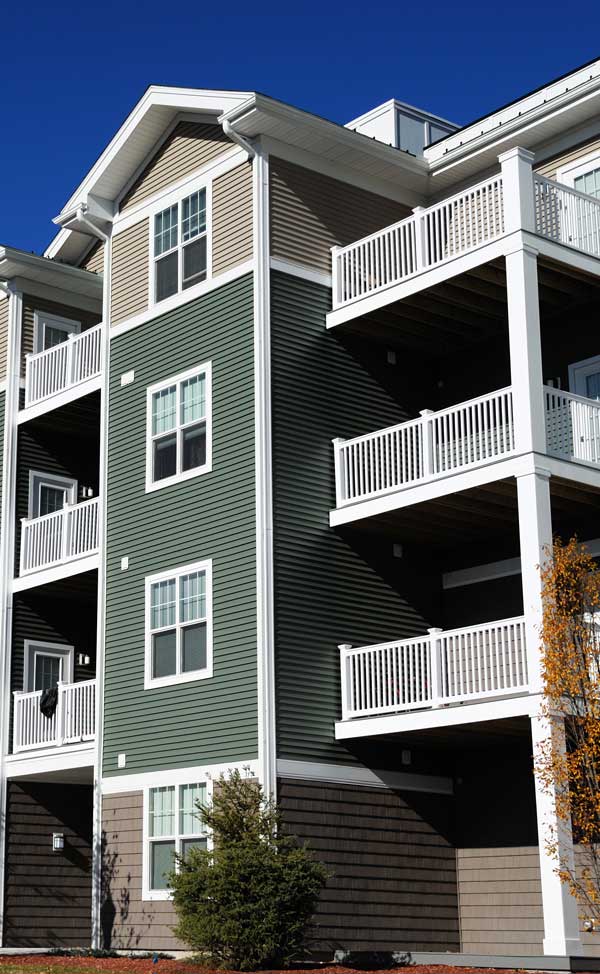
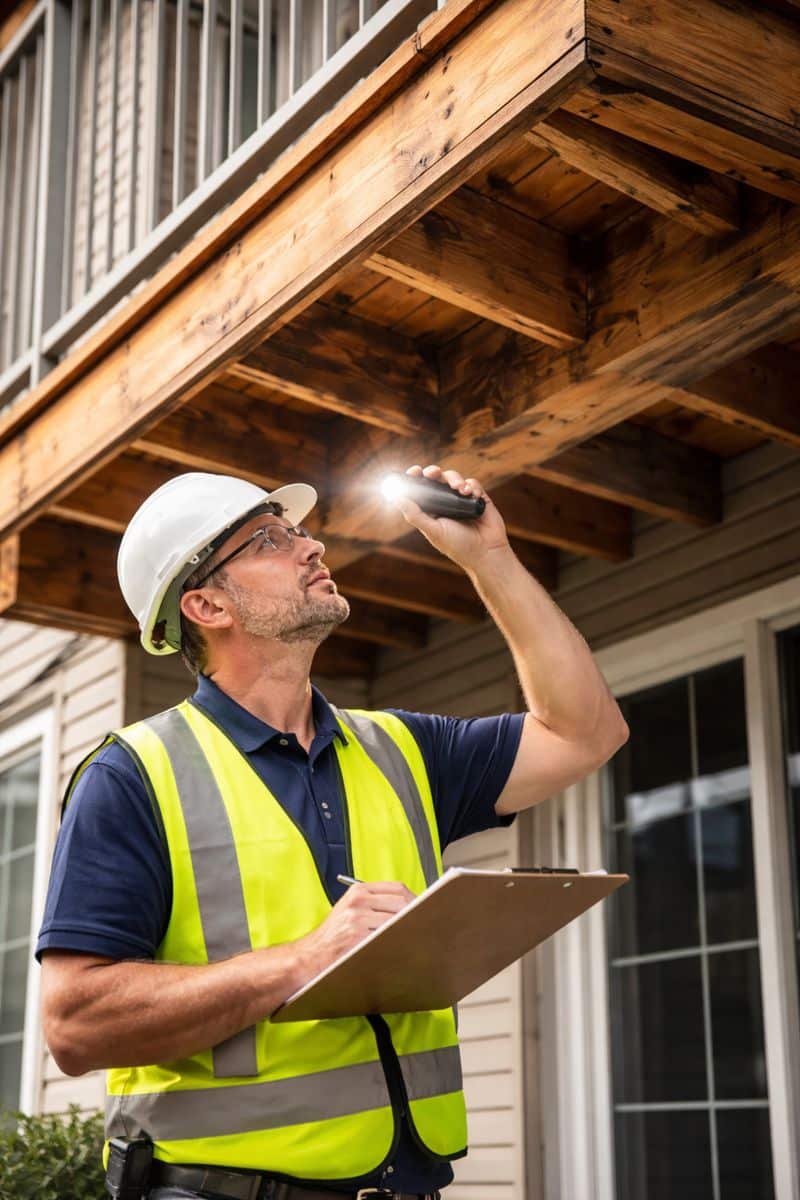
sb-410-orange-condominium-balcony-inspection

SB-410 Condominium Association Deck and Balcony Inspection Guidelines

Governor Gavin Newsom signed SB 410, into law in 2023, amending California Civil Code §5551, which SB 326 originally established. SB 410 strengthens and clarifies balcony and exterior elevated element (EEE) inspection requirements for condominium associations by refining definitions, standardizing documentation, and tightening timelines for inspections, reporting, and repairs.

The law requires licensed professionals to evaluate exterior elevated elements—such as balconies, decks, stairways, landings, walkways, and other load-bearing components constructed with wood or wood-based materials—for safety and structural integrity. SB 410 emphasizes clear reporting, timely corrective action, and consistent recordkeeping to reduce ambiguity and strengthen enforcement.

SB 410 significantly escalates California’s condominium safety regulations. By clarifying compliance expectations and increasing accountability for boards and managing agents, the law closes long-standing gaps that allowed unsafe conditions to persist.

Comprehensive Reporting

Post-inspection, a detailed report must be presented to the building owner within 45 days, highlighting the condition of the inspected elements, and any immediate hazards requiring urgent attention. In cases where immediate risks are identified, the report must be submitted within 15 days, and emergency repairs must be initiated promptly.

Why SB 410 Inspections Matter for California Condominium Communities

SB 410 strengthens California’s exterior elevated element inspection requirements under Civil Code §5551, which SB 326 originally established. While SB 326 created the duty to inspect balconies, decks, stairways, landings, and walkways, SB 410 tightens enforcement, clarifies responsibilities, and demands timely action. The law closes compliance gaps that previously allowed unsafe conditions to remain unaddressed.

Exterior elevated elements support daily use and directly affect resident safety. Moisture intrusion, dry rot, and corroded connectors weaken these structures over time, often behind stucco or waterproofing. SB 410 forces earlier detection and faster response, helping associations stop structural failures before they cause injury or loss of life.

“SB 326 applies specifically to California condominium projects with three or more attached units and requires inspections of exterior elevated elements, such as decks, balconies, and walkways by a licensed structural or civil engineer or architect,” said Laurie S. Poole, Co-Managing Partner at Adams-Stirling, PLC. “Under Civil Code §5551, these first inspections were due by January 1, 2025.”

SB 410 Compliance Timelines and Responsibilities

SB 410 does not reset inspection deadlines. Associations had to complete their first inspections by January 1, 2025. After that, they must perform inspections at least every six years.

SB 410 increases accountability. Boards and managers must maintain clear inspection records, prioritize repairs, and meet defined response timelines. When associations delay inspections or ignore findings, they expose themselves to liability, insurance complications, and transaction delays.

Repairs, Risk, and Enforcement

When inspectors identify conditions that threaten safety, SB 410 requires prompt action. Associations can no longer justify deferred maintenance. Delays increase the risk of structural failure, litigation, emergency assessments, and insurance non-renewals.

SB 410 also links inspection compliance more directly to insurance underwriting and real estate transactions, making documentation critical when owners refinance or sell.

Financial Planning and Professional Inspections

Associations must budget for inspections conducted by licensed engineers or architects and for repairs identified during those inspections. While older buildings may face higher costs, proactive planning prevents emergency repairs and far greater financial exposure.

Qualified inspection professionals help associations comply by delivering clear, defensible reports that guide repair decisions and support legal compliance.

Impact on Residents and Communities

SB 410 improves safety and builds trust. Residents gain confidence when boards act decisively to maintain structural integrity. Associations that comply show leadership, protect property values, and strengthen community credibility.

Conclusion

SB 410 raises the standard for balcony and deck safety in California condominiums. The law demands clear inspections, documented repairs, and timely action. Associations that comply reduce risk, protect residents, and preserve long-term property value. SB 410 leaves no room for delay—it requires action.

Your content goes here. Edit or remove this text inline or in the module Content settings. You can also style every aspect of this content in the module Design settings and even apply custom CSS to this text in the module Advanced settings. Your content goes here. Edit or remove this text inline or in the module Content settings. You can also style every aspect of this content in the module Design settings and even apply custom CSS to this text in the module Advanced settings. CSS to this text in the module Advanced settings.